
What Are the Top Irrigation Systems for Water-Efficient Landscaping?
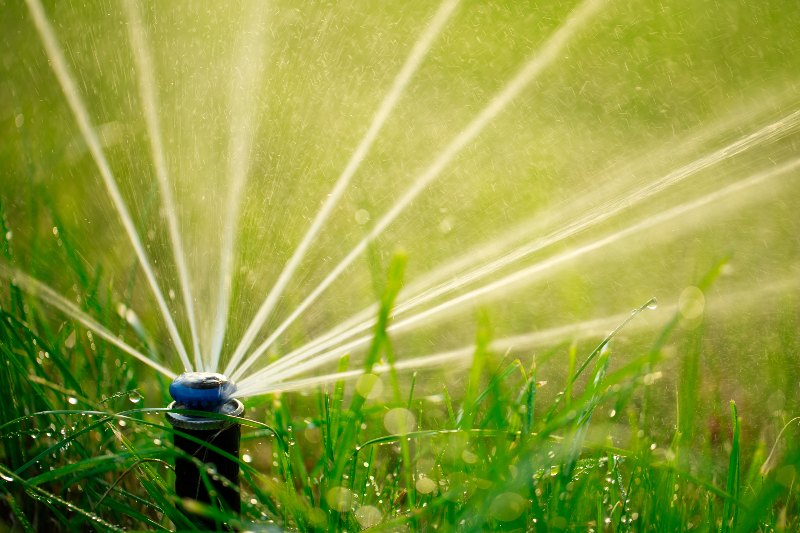
Water is essential for maintaining vibrant, healthy landscapes, especially in dry climates. However, many homeowners in Sandy, UT are considering water-saving methods like drip irrigation solutions and drought-resistant plants due to increasing concerns about water scarcity here and across the rest of the country. It’s every property owner’s responsibility to manage this precious resource wisely. Thrive Landscape Services is committed to helping homes and businesses create stunning, sustainable outdoor spaces while minimizing water waste. Greenery and native plants are essential to promote biodiversity, so finding a balance is the most prosperous path forward. Let’s take a look at the benefits of water-efficient irrigation systems and how they can be incorporated into your landscape to conserve water effectively.
What Makes an Irrigation System Water-Efficient?
A water-efficient irrigation system is designed with sustainability in mind so that water is used precisely where and when needed. By using modern technologies and thoughtful planning, the following key traits of water-efficient systems can keep your landscape lush while conserving water:
- Minimizing Water Evaporation – Systems that deliver water closer to the ground surface reduce evaporation, so more water reaches plant roots.
- Preventing Over-Watering – Efficient setups monitor soil moisture and weather conditions to avoid wasteful over-watering.
- Targeted Watering – Water runoff is a significant waste. A system that prevents it and directs water away from sidewalks, curbs, and streets saves water while keeping essential areas hydrated.
Water-Efficient Irrigation Options for Your Property
Thanks to innovative landscaping and irrigation solutions, property owners have a range of options to reduce their water use and create sustainable outdoor spaces. Here are three of the most effective irrigation systems and additional strategies for enhancing water efficiency.
Drip Irrigation Solutions
Drip irrigation is a low-pressure watering system that delivers water directly to the base of plants using a network of tubes, emitters, and valves. Instead of spraying water over a large area, it slowly dispenses water right where plants need it most. The design uses flexible tubing lined with small emitters that drip water at a controlled rate, feeding plant roots without wasting water on non-plant surfaces like mulch or pavement. Advantages of drip irrigation include:
- Water Conservation – Because water is delivered directly to the root zone, it significantly reduces evaporation and runoff.
- Healthier Plants – Drip irrigation helps prevent diseases that thrive in moist conditions by keeping foliage dry.
- Cost Savings – Using water more efficiently lowers utility bills over time.
For property owners who value precision and conservation, drip irrigation is an excellent choice for a water-smart landscape.
Rainwater Harvesting Systems
Rainwater harvesting systems collect and store rainwater from surfaces like roofs for later use in irrigation. By reusing rainwater, these systems reduce reliance on municipal water supplies. Rainwater is captured through gutters and downspouts and directed into storage tanks or barrels. A filtration system removes debris, and the water is then used to irrigate plants via hoses or connected irrigation systems. These setups can be very basic or quite complex, depending on how much you want to invest. Advantages of harvesting rainwater include:
- Eco-Friendly – Rainwater harvesting promotes sustainable water practices by making use of a natural resource.
- Flexible Usage – Stored water can be used to irrigate plants, clean outdoor spaces, or even fill water features.
- Cost-Effective – Over time, capturing free rainwater can lower water bills.
Rainwater harvesting is an excellent way to improve your landscape’s sustainability and reduce dependence on traditional water sources.
Smart Irrigation Controllers
Like smart home thermostats, smart irrigation controllers use advanced technology, including sensors and weather data, to optimize watering schedules and reduce water waste. These controllers connect to your property’s irrigation system and automatically adjust watering based on real-time factors like soil moisture, rainfall, and temperature. Many smart systems can even be managed remotely through smartphone apps. Benefits of this investment include:
- Precision and Control – Each zone is watered based on specific needs, avoiding over- or under-watering.
- Convenience – You can monitor or adjust your system from anywhere with remote management.
- Water Savings – By responding to weather and soil conditions, smart controllers use up to 50% less water than traditional systems.
For tech-savvy property owners, smart irrigation controllers are a powerful way to modernize and optimize your landscape’s watering system.
Alternative Ways to Reduce Water Use
If you’re looking to expand on your water conservation efforts, other design strategies can help you achieve a more water-efficient property beyond these irrigation system ideas. Consider these options for your property:
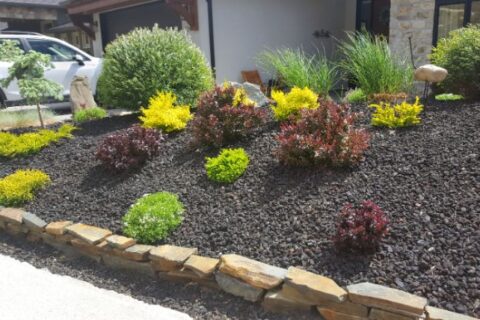
- Xeriscaping – Xeriscaping focuses on designing landscapes with drought-tolerant plants and minimal water needs. Incorporating hardy native plants like sagebrush and Utah serviceberry can bring beauty and sustainability to your yard.
- Parking Strip Flips – Replace the grass and turf in narrow parking strips with gravel, drought-tolerant plants, or decorative rocks to significantly reduce water use in these high-maintenance areas.
- Hardscapes – Hardscaping elements like patios, pathways, and stone features provide stunning visual appeal without requiring water. By integrating hardscape areas, you can reduce the portion of your landscape that requires irrigation.
Do You Have to Dig Up My Yard to Install Irrigation?
Modern irrigation systems can often be installed with minimal disruption to your yard. We use advanced tools and techniques to minimize the installation process’s invasiveness, preserving your existing landscape as much as possible.
How Do I Know Where My Irrigation System Should Go?
The placement of your irrigation system is carefully planned based on the layout of your yard, the types of plants you have, and their specific water requirements. We’ll evaluate your landscape to design an efficient system that ensures all areas receive water coverage without waste.
Do Irrigation Systems Require Maintenance?
Yes, regular maintenance is essential to keep your irrigation system running efficiently. This typically includes blowing out lines at the end of the season so they don’t freeze during winter and restarting the system in the spring. It’s also an opportune time to check for leaks and clean or replace clogged sprinklers or drip hoses. Routine care extends the lifespan of your system and saves water in the long run.
Why Choose Thrive Landscape Services for Your Landscaping Needs?
Thrive Landscape Services specializes in sustainable landscape design and water-efficient irrigation systems for our region’s unique climate. We have a team of skilled irrigation techs and landscape designers with years of proven experience creating and maintaining stunning outdoor spaces.
From installing advanced irrigation systems to designing xeriscapes that feature Utah’s native beauty, we take pride in going the extra mile to get the job done right. Whether you’re a homeowner or a commercial property manager, we’re ready to help you design water-efficient irrigation systems and sustainable landscapes.
Create a Water-Smart Landscape Today
Water-efficient landscaping can be incorporated into properties of all sizes. With the right design and smart irrigation controllers, Thrive Landscape Services in Sandy, UT can help you take advantage of all the incredible options and sustainable strategies available. You can still enjoy a lush, gorgeous landscape while conserving water and protecting the environment. To learn more about irrigation options or schedule an installation, contact the experts at Thrive Landscape Services today.
In Salt Lake City, UT, summers are beautiful but also dry. In fact, over the summer months, residents receive less than three inches of rain. For…

Maintaining a vibrant and stunning yard requires the right combination of expertise, equipment, and time. Unfortunately, for many homeowners,…