
What Are the Best Plants for Xeriscaping in a Dry Climate?
What Are the Best Plants for Xeriscaping in a Dry Climate in Sandy, UT
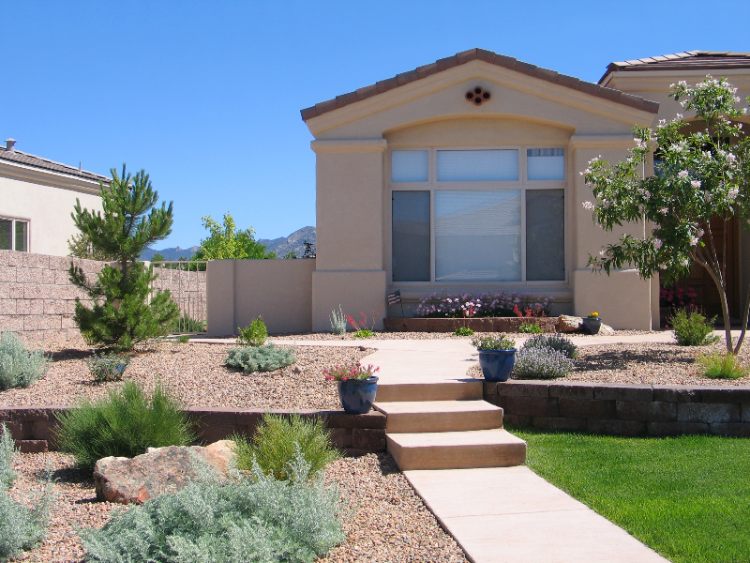
Water scarcity challenges homeowners across the American West, but Sandy, UT, residents face particularly tough decisions about their outdoor spaces. With average annual precipitation hovering around 16 inches and summer temperatures regularly exceeding 90°F, attempting to create a traditional grass lawn can consume massive amounts of water. Thrive Landscape Services offers low-water landscaping in the Sandy and South Jordan, UT, area, helping homeowners create stunning gardens that thrive despite challenging conditions. Low-water landscaping, also known as xeriscaping, transforms properties into beautiful, sustainable spaces using drought-tolerant plants and smart design principles. This approach reduces water consumption by up to 60% while creating visually striking landscapes that require minimal maintenance.
Why Choose Low-Water Landscaping?
Sandy’s semi-arid climate makes water conservation essential for both environmental and financial reasons. Traditional grass lawns require approximately one to two inches of water weekly during the growing season, which translates to thousands of gallons annually for an average yard. Below are some more reasons to choose xeriscaping.
Water Conservation
Low-water landscaping dramatically reduces irrigation needs compared to conventional gardens. By selecting native plant species and implementing efficient design strategies, homeowners can cut their outdoor water usage in half or more. This conservation approach protects local water resources while supporting sustainable community growth.
Reduced Maintenance Requirements
Once established, xeriscaped gardens require significantly less upkeep than traditional landscapes. Native plants naturally adapt to local soil conditions and weather patterns, reducing the need for frequent watering, fertilizing, and pest management. This means more time to enjoy your outdoor space rather than constantly maintaining it.
Environmental Sustainability
Low-water gardens support local ecosystems by providing a habitat for beneficial insects, birds, and other wildlife. Native plant species create natural corridors that help sustain biodiversity while reducing the need for chemical fertilizers and pesticides that can harm soil and water quality.
Top Plant Choices for Utah’s Climate
Selecting the right plants forms the foundation of successful xeriscaping in Utah’s challenging environment. Focus on species that naturally thrive in low-moisture conditions while providing visual interest throughout the growing season.
What Species Are Native to the Area?
Utah’s native flora offers incredible variety for landscape design. Desert marigolds provide bright yellow blooms from spring through fall, while Utah agave creates dramatic architectural focal points with its sculptural blue-green leaves. Sagebrush adds a silvery texture and releases a pleasant fragrance after rain showers. Native grasses like buffalo grass and blue grama create attractive groundcover alternatives to traditional turf. These species develop deep root systems that access moisture other plants cannot reach, making them incredibly resilient during dry periods.
Drought-Tolerant Favorites
Several non-native species perform exceptionally well in Sandy’s climate when properly established. Lavender thrives in sandy, well-draining soil while providing fragrant purple blooms that attract beneficial pollinators. Russian sage offers delicate blue flowers and silvery foliage that complement other xeriscaping elements. Some other great drought-tolerant options include:
- Sedum varieties: Succulent groundcovers with colorful foliage and late-season blooms
- Penstemon: Native wildflowers offering tubular blooms in purple, pink, and red
- Ornamental grasses: Feather reed grass and fountain grass add movement and texture
- Cacti species: Prickly pear and barrel cactus provide unique architectural elements
- Artemisia: Silver-leafed perennials can create an attractive contrast with other plants
Design Strategies for Success
Effective xeriscaping goes beyond plant selection to encompass thoughtful design principles that maximize water efficiency while creating beautiful outdoor spaces.
Smart Plant Placement
Group plants with similar water requirements together to create efficient irrigation zones. Place more water-dependent species in naturally moister areas like depressions or north-facing slopes, while positioning drought-tolerant plants in exposed, sunny locations. Create microclimates by using larger plants or structures to provide shade and wind protection for more sensitive species. This strategic placement allows you to incorporate a wider variety of plants while maintaining water efficiency.
Water-Wise Design Elements
Mulching plays a crucial role in water conservation by reducing evaporation and suppressing weeds. Apply two to three inches of organic mulch around plants, leaving space near plant stems to prevent moisture-related problems. Install drip irrigation systems to deliver water directly to plant roots with minimal waste. These systems can be automated and zoned to provide precise watering schedules for different plant groups.
Get a Free Xeriscaping Estimate Today!
Low-water landscaping offers Sandy homeowners an opportunity to create beautiful, sustainable outdoor spaces that celebrate the region’s natural beauty while conserving precious water resources. Ready to transform your property with sustainable landscaping solutions? Contact Thrive Landscape Services today to explore how xeriscaping can create the beautiful, low-maintenance outdoor space you’ve always wanted while protecting our shared water resources for future generations.
In Salt Lake City, UT, summers are beautiful but also dry. In fact, over the summer months, residents receive less than three inches of rain. For…

Maintaining a vibrant and stunning yard requires the right combination of expertise, equipment, and time. Unfortunately, for many homeowners,…